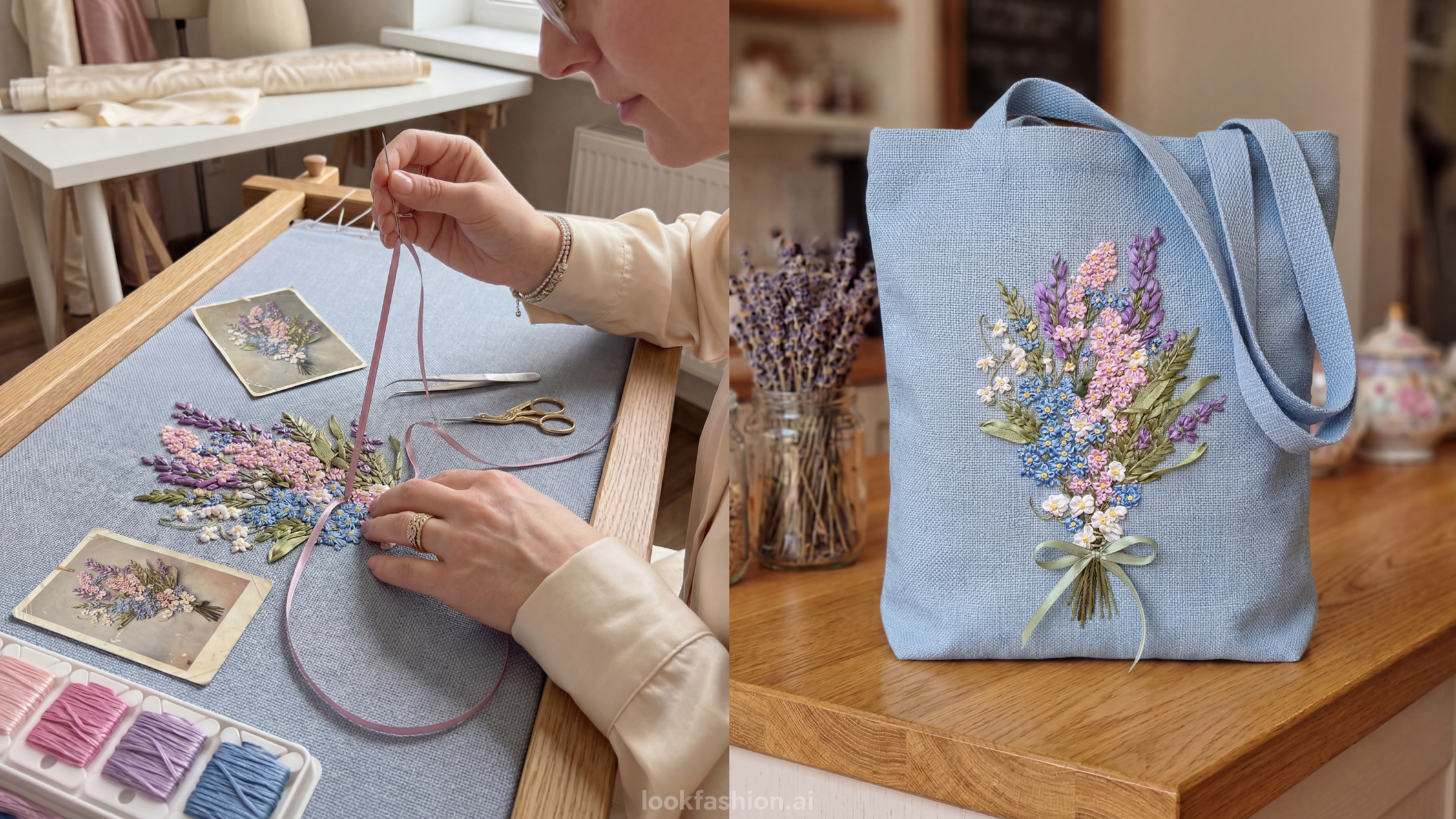
Fashion's "Human Touch" Obsession Isn't Anti-AI — It's a Reminder of What AI Tools Should Actually Do
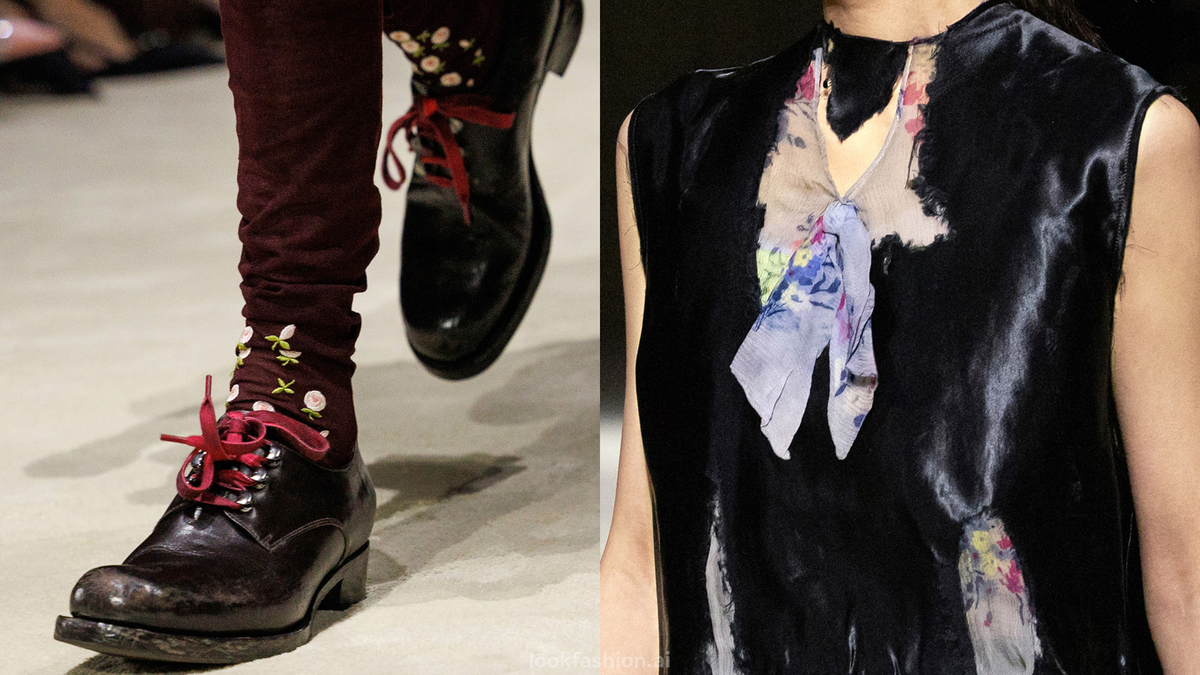
Beneath the surface of Prada's Fall 2026 womenswear collection — 15 models, 60 looks — there's something more than a lineup. It's Miuccia and Raf, doing what they do: turning clothes into questions about transformation, about what we carry and what we shed.
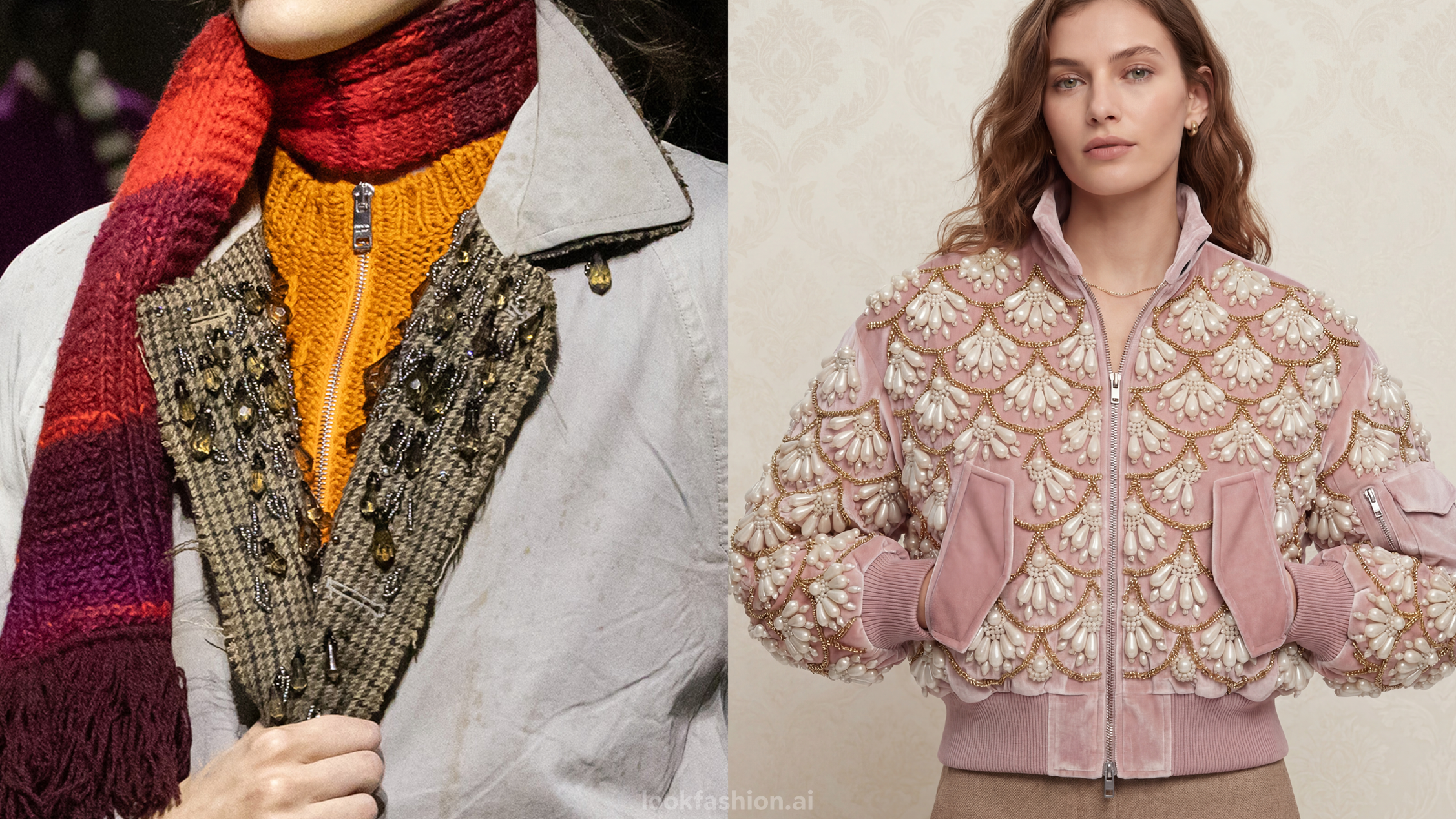
Look closer. Crystal-encrusted heels, distressed at the toe and heel on purpose. Jackets stained and mottled — flip one over and the lining is covered in fine beading. Silk skirts with pulled threads and open seams, not as accidents, but as decisions.
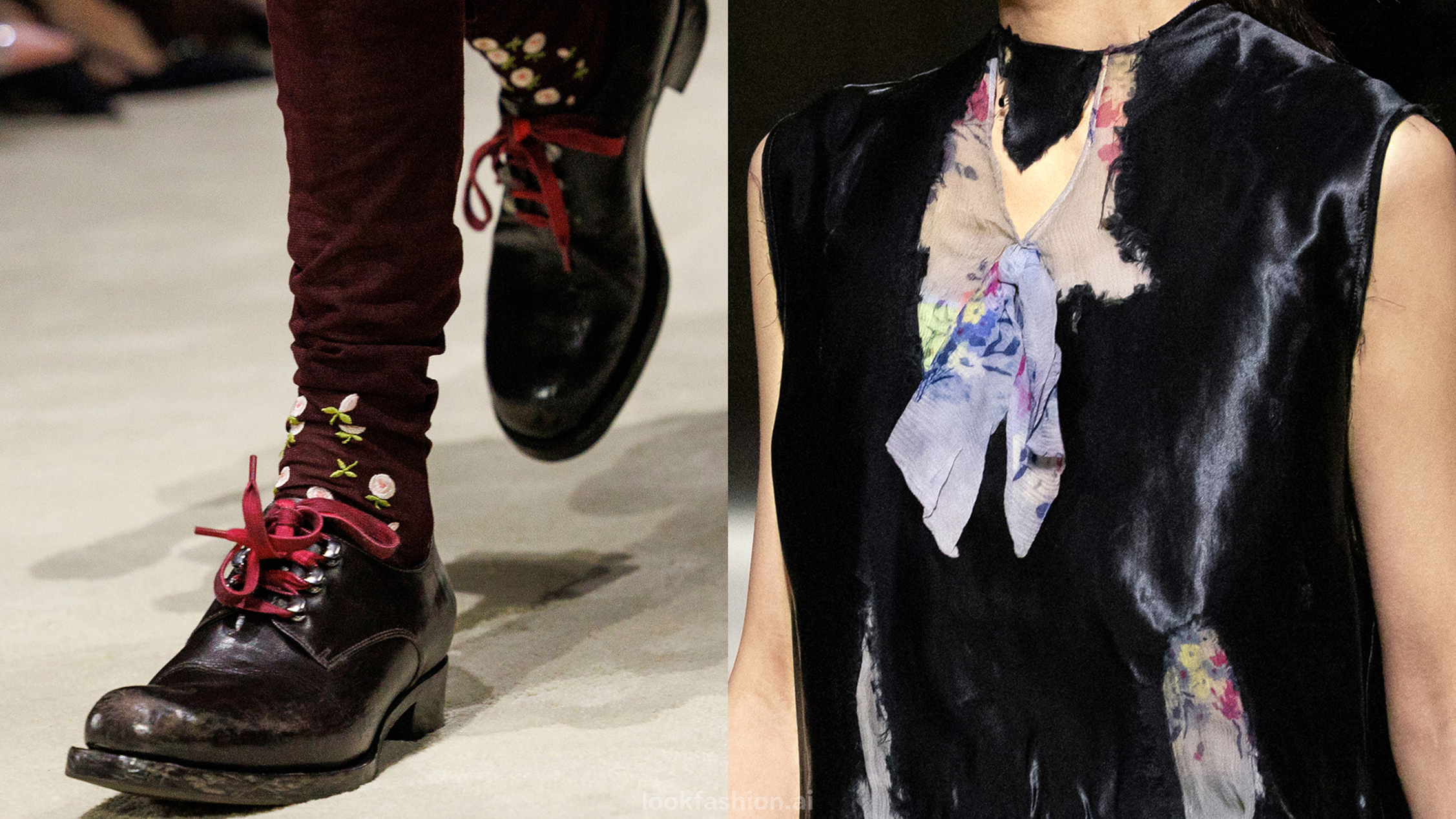
Precise imperfection. Fashion that makes room for wear, for loose ends. And means every bit of it.
So what does it mean when one of the industry's sharpest houses decides that unfinished is the point?
WGSN recently flagged the shift: designers are actively pushing back against the kind of slick, frictionless output that AI tends to produce. The question "what makes us human?" is getting louder, and authenticity — real, visible, a little rough around the edges — is becoming harder to fake and easier to spot. WGSN named it #WorkInProgress. It's showing up from Prada to Ashlyn, and it doesn't look like it's slowing down.
Here's the thing though — this isn't a story about fashion turning its back on AI.
It's about AI that doesn't know when to back off.
When handmade details get rare, they get valuable. That's just how scarcity works. But there's something more specific happening here: as a designer's particular hand becomes a selling point, the tools that serve them best aren't the ones generating the most impressive output. They're the ones that get out of the way enough to let the designer's instincts come through.
Olga Vaulina, a Paris-based designer, said it after trying LOOK AI: "As an artist, I really appreciate when AI is used as a tool, not a full replacement for creativity. This app does exactly that — it takes your hand-drawn sketch and instantly turns it into a polished, high-quality visual on screen."
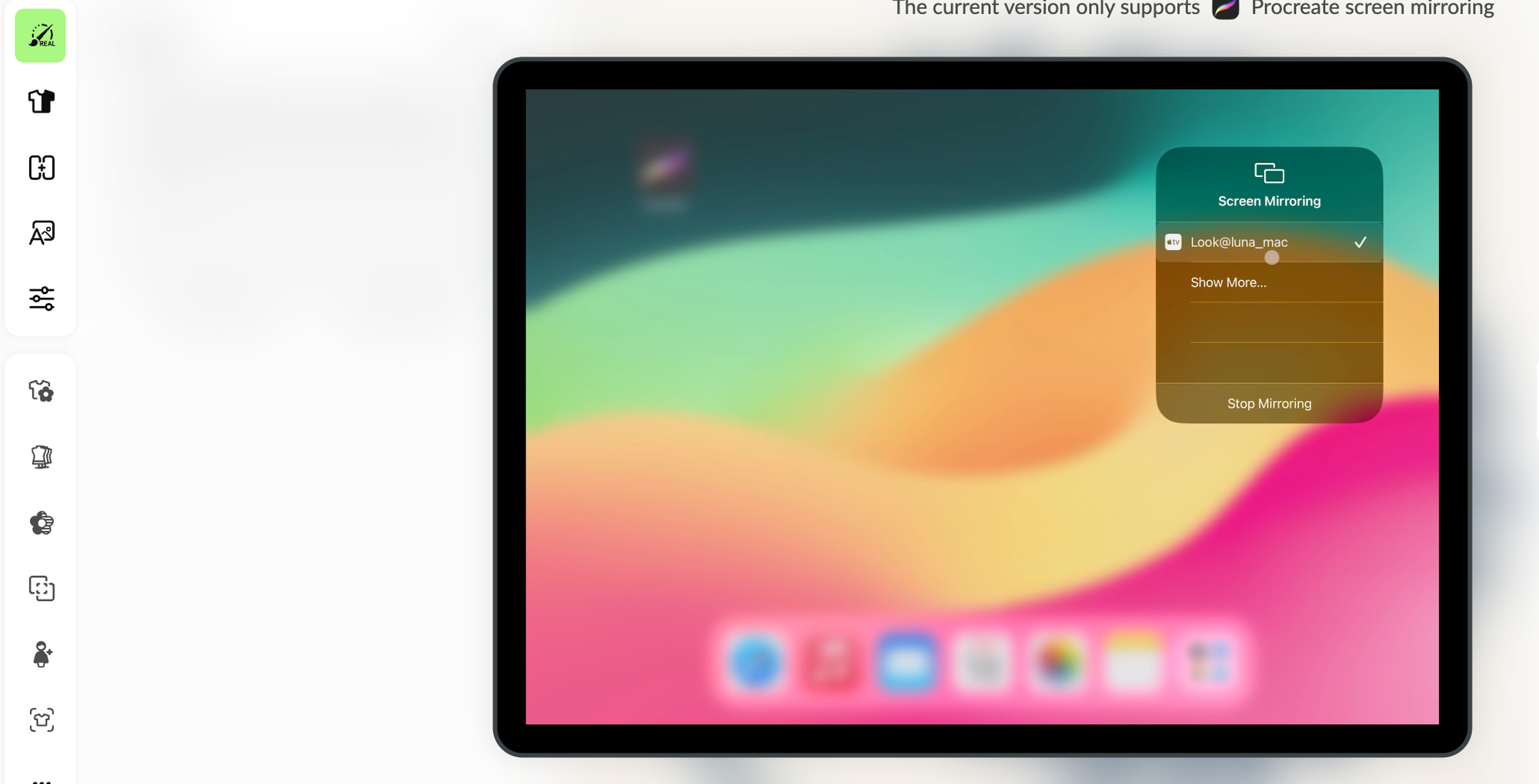
Not a replacement. A responder.
Reading the gesture
LOOK AI's real-time design feature runs through a Procreate integration — and the key thing is the timing. A design appears as the stroke is being made, not once it's finished and handed off. There's no gap where the AI takes the sketch somewhere else. The loop stays closed between hand and screen.
What gets generated matters less than what gets kept.
The Pattern Extraction feature works the same way in a different context. Photograph a piece of fabric — something weathered, hand-dyed, the color uneven in the way only hand work produces — and the tool reads it as-is. The variation, the texture, the irregularities that came from actual human handling: none of it gets smoothed out. It gets extracted, usable, yours.
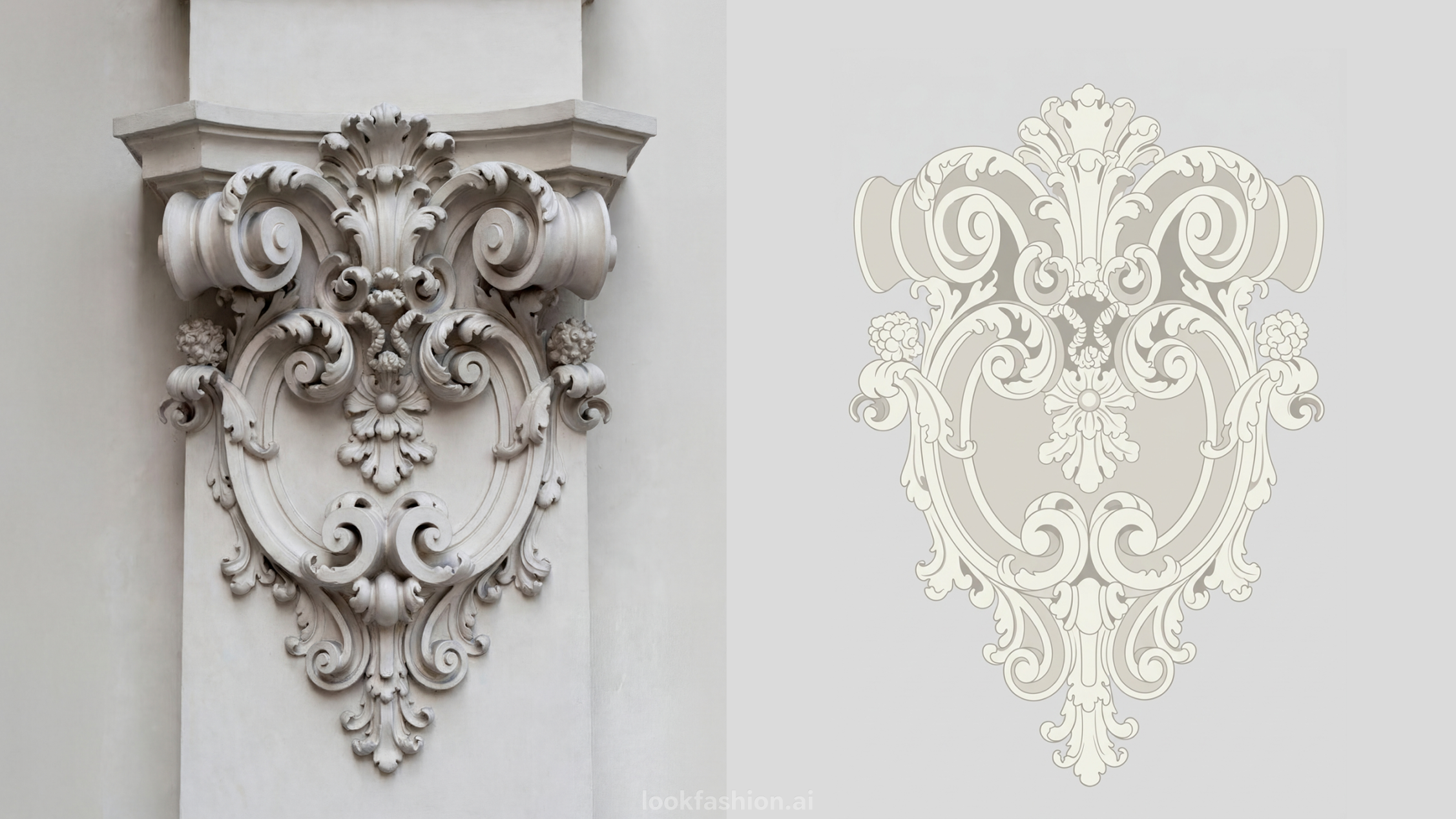
A tool that corrects is one thing. A tool that sees is another.
What the runway is actually saying
Fashion picks up on cultural anxiety before most industries do. And right now, in a market swimming in AI-generated imagery, things that look made — actually, visibly made — are starting to land differently. The perfection that AI defaults to is starting to read as generic, because it is.
The studios that pull ahead won't just be the ones using AI. They'll be the ones whose AI has learned to recognize what makes their work theirs.
The hand that makes something imperfect is also the hand that makes it irreplaceable. The question for every design tool — ours included — is a simple one: are you erasing that hand, or learning from it?